
The Role of Site Preparation in Ensuring Building Stability
When you begin a construction project, the stability of the foundation is crucial. This depends significantly on proper site preparation. Preparing a site involves more than laying down concrete; it requires careful planning and execution to ensure lasting stability. Understanding how to prepare a site correctly can save time and money while increasing the longevity of your structure.
The Importance of Proper Site Leveling
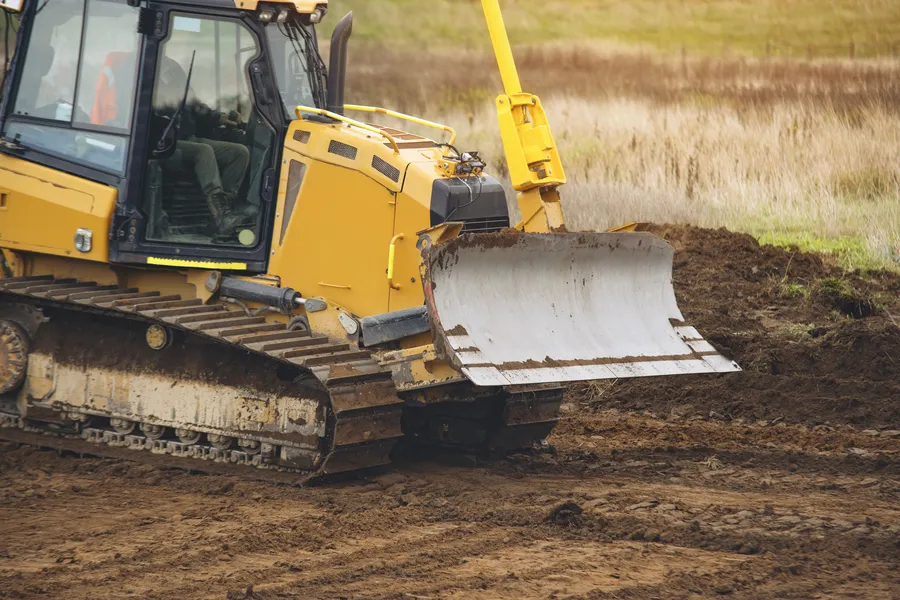
One key aspect of preparing a site is leveling. It ensures that water drains away from buildings, preventing damage from moisture. An even surface reduces uneven settling, which can cause structural issues over time. Not only does leveling contribute to safety, but it also sets the stage for successful construction.
Creating a Solid Base With Grading
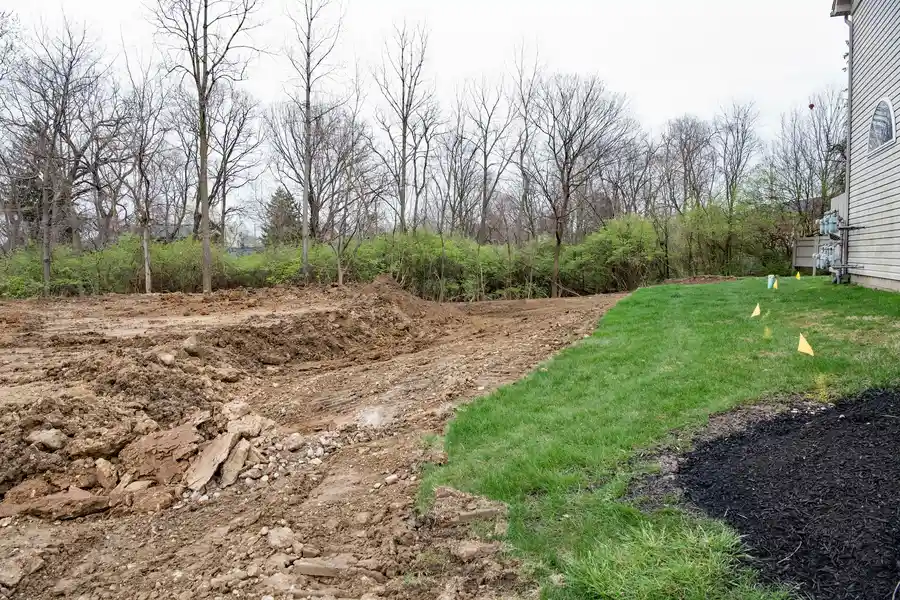
Grading involves adjusting the slope and elevation of land to control water runoff and soil erosion. By shaping the ground, contractors create a stable platform for building foundations. A well-graded site prevents water accumulation, which protects against foundational damage. This process is essential for ensuring that structures remain secure over their lifespan.
Key Techniques in Land Grading
Various techniques are used in grading to achieve desired outcomes. These include cutting, filling, and compacting soil. Cutting removes excess earth, while filling adds soil to low areas. Compaction then solidifies these changes, creating a firm base. Each technique plays a vital role in forming a stable groundwork for future development.
Common Challenges in Site Preparation
Site preparation can face several challenges. Unstable soil conditions may require special treatment to support heavy loads. Weather conditions like rain or extreme heat can delay progress. Additionally, unexpected underground obstructions such as rocks or roots may need removal. Addressing these issues promptly ensures uninterrupted progress on your project.
Effective Strategies to Overcome Challenges
Tackling these challenges requires strategic solutions. Conduct soil tests early to determine necessary treatments for stability. Schedule work around weather forecasts to minimize delays. Use advanced equipment like excavators for efficient removal of obstacles. Implementing these strategies helps keep projects on track and within budget.
Best Practices for Successful Site Preparation
- Conduct thorough surveys before starting work
- Use high-quality materials for fill and compaction
- Plan for drainage systems to manage water runoff
- Follow safety guidelines during excavation and grading
- Consult experts for complex or large-scale projects
Regulatory Standards and Compliance Requirements
Following industry standards is essential for compliance and safety. Regulations often dictate aspects of site preparation like slope angles and drainage requirements. Adhering to these rules not only avoids legal issues but also enhances structural integrity. Staying informed about local regulations helps maintain quality throughout your project.
Cost Considerations and Value Propositions
The cost of site preparation varies based on factors like terrain, size, and complexity. While expenses might seem high initially, investing in professional services ensures long-term benefits by minimizing repairs later on. Properly prepared sites enhance value by providing reliable support for structures, making them a wise investment.
Building Strong Foundations With Expert Guidance
Ensuring stable foundations starts with expert site preparation. At Silver Creek Homes LLC, our team specializes in crafting reliable bases for various projects. Located in Knoxville, TN, we are dedicated to delivering top-notch services tailored to your needs. Contact us at (865) 205-5366 to discuss your next project and learn how we can help build strong, lasting foundations together.